Airborne Disease On Cruise Ships
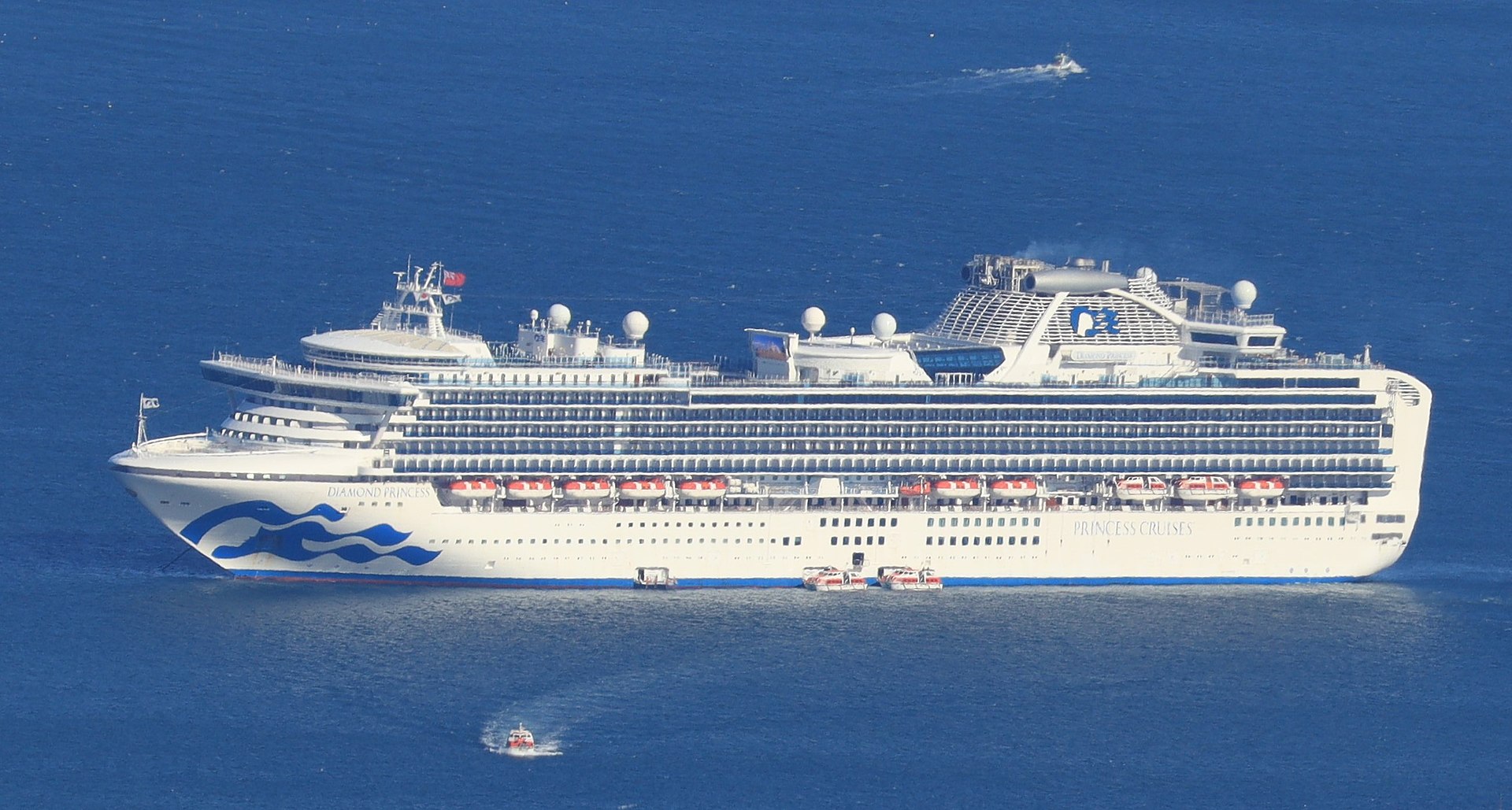
Airborne Transmission Played An Important Role In The Diamond Princess Covid 19 Outbreak Scimex

Coronavirus Singapore S Karaoke Bar Cluster Grows As Cruise Ship Returns After Suspected Infection Indonesia Records More Daily Cases Than India South China Morning Post

Cdc Cruises Can Begin Phased Return Starting Nov 1 Under New Protocols The Washington Post
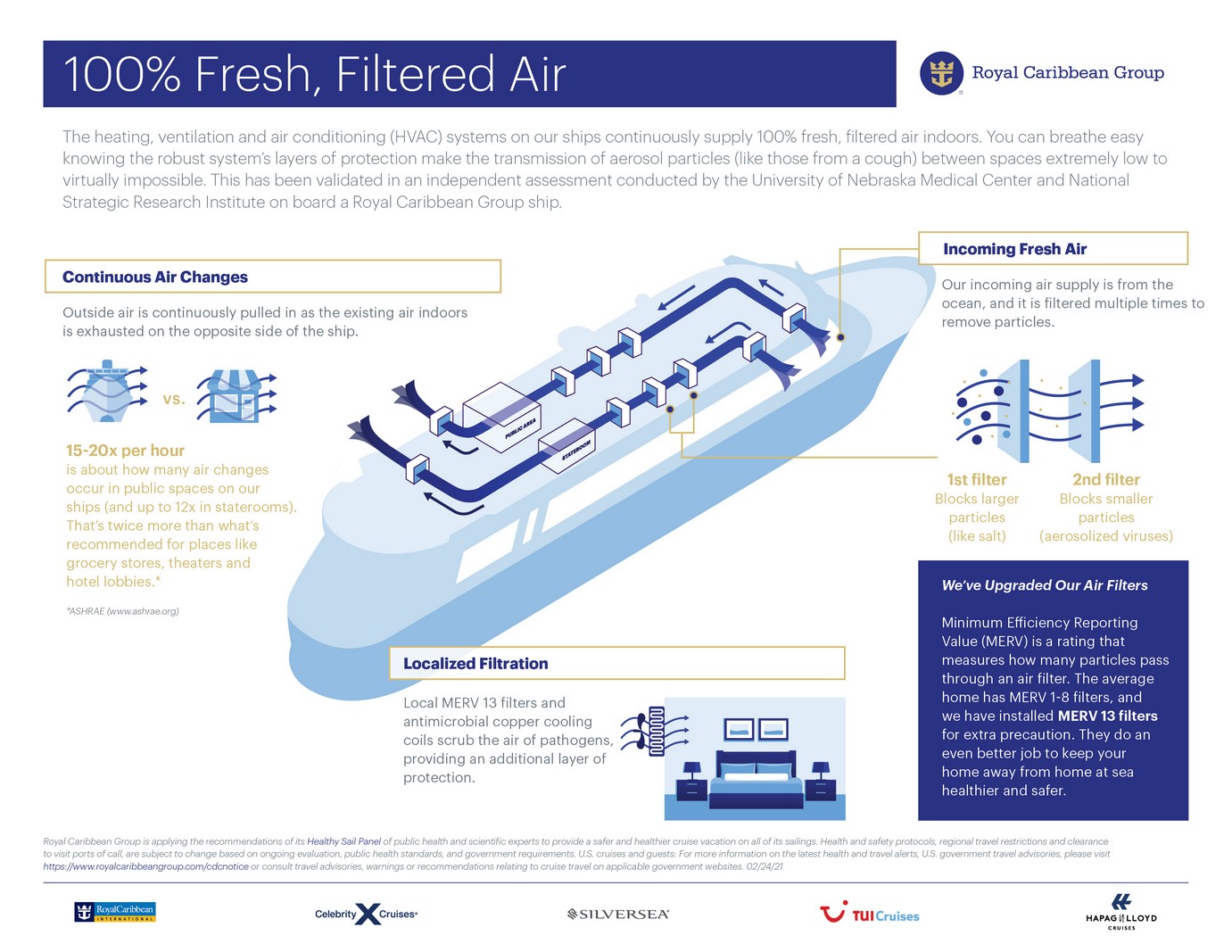
New Study Shows Exceptionally Low Risk Of Airborne Particles On Cruise Ships Royal Caribbean Blog

Cdc Extends No Sail Ban For Cruise Ships Through The End Of October Abc7 Chicago
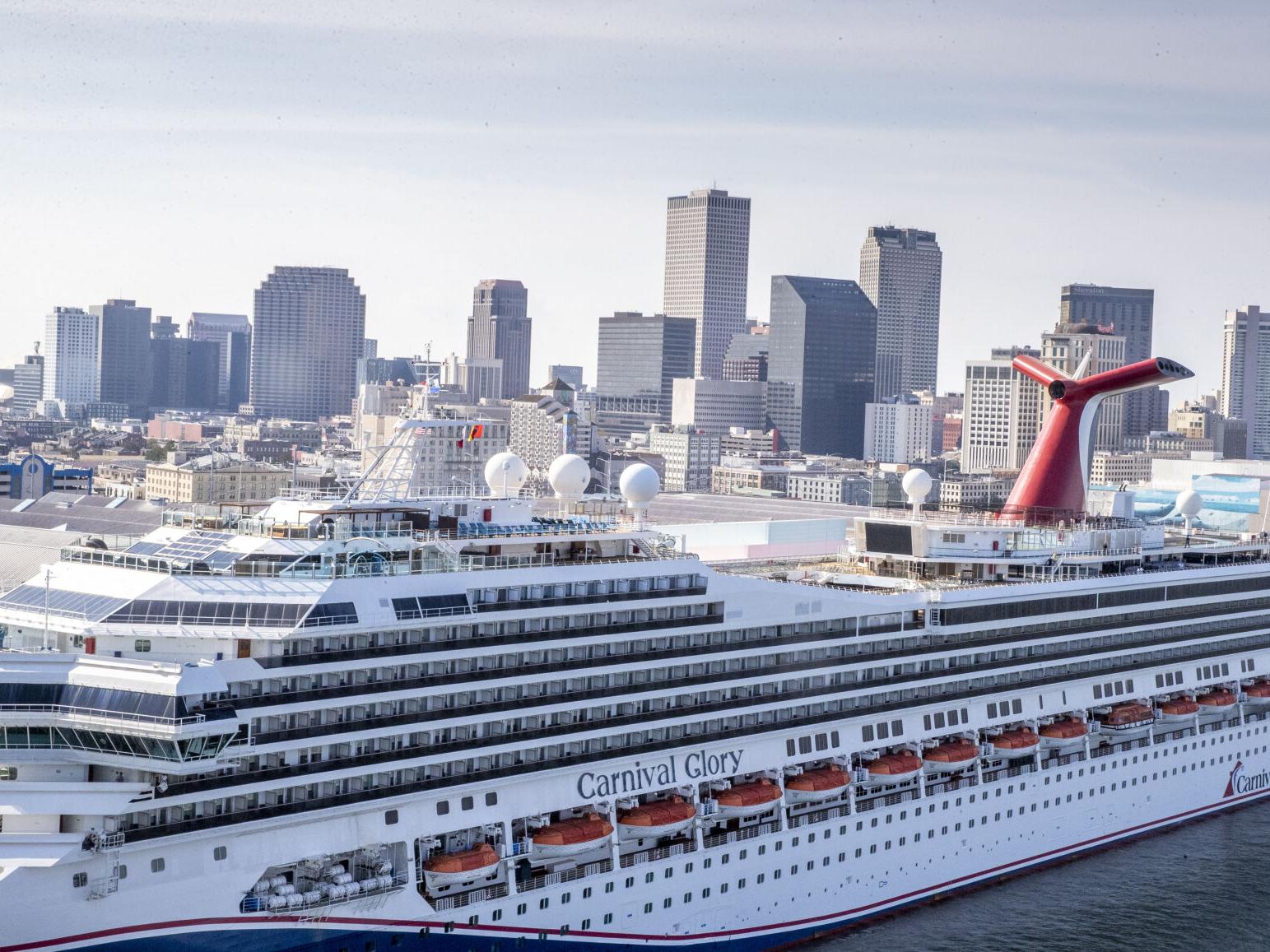
More Cruise Lines Are Planning Trips From New Orleans See What S Coming Back And What Isn T Business News Nola Com
Looking at infection data from the ship the London School of Hygiene and Tropical Medicine has hypothesized how things could have gone differently.
Airborne disease on cruise ships. Out of 3711 passengers and crew on board more. The CDC has not ever stated that coronavirus can be transmitted through the air. For more information about noroviruses on cruise ships call the CDC public response hotline at 1-800-CDC-INFO 1-800-232-4636.
The death of two elderly cruise ship passengers infected with a novel coronavirus announced by the Japanese government on Thursday has health experts pointing to the flulike potential spread of the COVID-19 illness worldwide and the dangers of quarantines in closed environments like cruise ships. A growing number of coronavirus cases have been reported on the Diamond Princess cruise ship despite a two-week quarantine that ended Wednesday. People joining the ship may bring the virus to other passengers and crew.
That fact had already been reported in scientific papers urgently proclaimed by Chinas minister of Health in January of 2020 apparent from multiple epidemiological reports already in the record. An infectious agent introduced into the environment of a cruise ship has the potential to be distributed widely across the ship and to cause significant morbidity. The largest outbreak of Legionnaires disease associated with cruise ships occurred in the spring of 1994 when 50 passengers developed disease on nine separate cruises on one ship 13 14.
However cruise liners are aware of this - and so have strict procedures when it. The median cruise ship passenger is over 45 years old and often has chronic medical problems so it is important that to have a safe cruise ship experience any potential for the introduction of an infecting agent as. One of the biggest outbreaks occurred on board the British-registered Diamond Princess cruise ship.
Abstract Respiratory diseases are common infectious illnesses on cruise ships. We find that airborne transmission likely accounted for 50 of disease transmission on the Diamond Princess cruise ship which includes inhalation of aerosols during close contact as well as longer range. Close contact transmission was likely happening on that cruise ship but the disease had spread far more quickly than non-airborne diseases typically spread.
The study found the risk associated with transmission of airborne particles between spaces through the HVAC system is exceptionally low and undetectable. The study was conducted in July 2020 right in the middle of the global health crisis to evaluate how a cruise ships HVAC system worked and what risks were posed to guests and crew members. Different modes of disease transmission among human pop-ulations 3034 provided that sufficiently accurate inputs are Significance We find that airborne transmission likely accounted for 50 of disease transmission on the Diamond Princess cruise ship which includes inhalation of aerosols during close contact as well as longer range.

Cdc Says Older People High Risk Travelers Should Avoid Cruises Whether They Re Vaccinated Or Not Conchovalleyhomepage Com
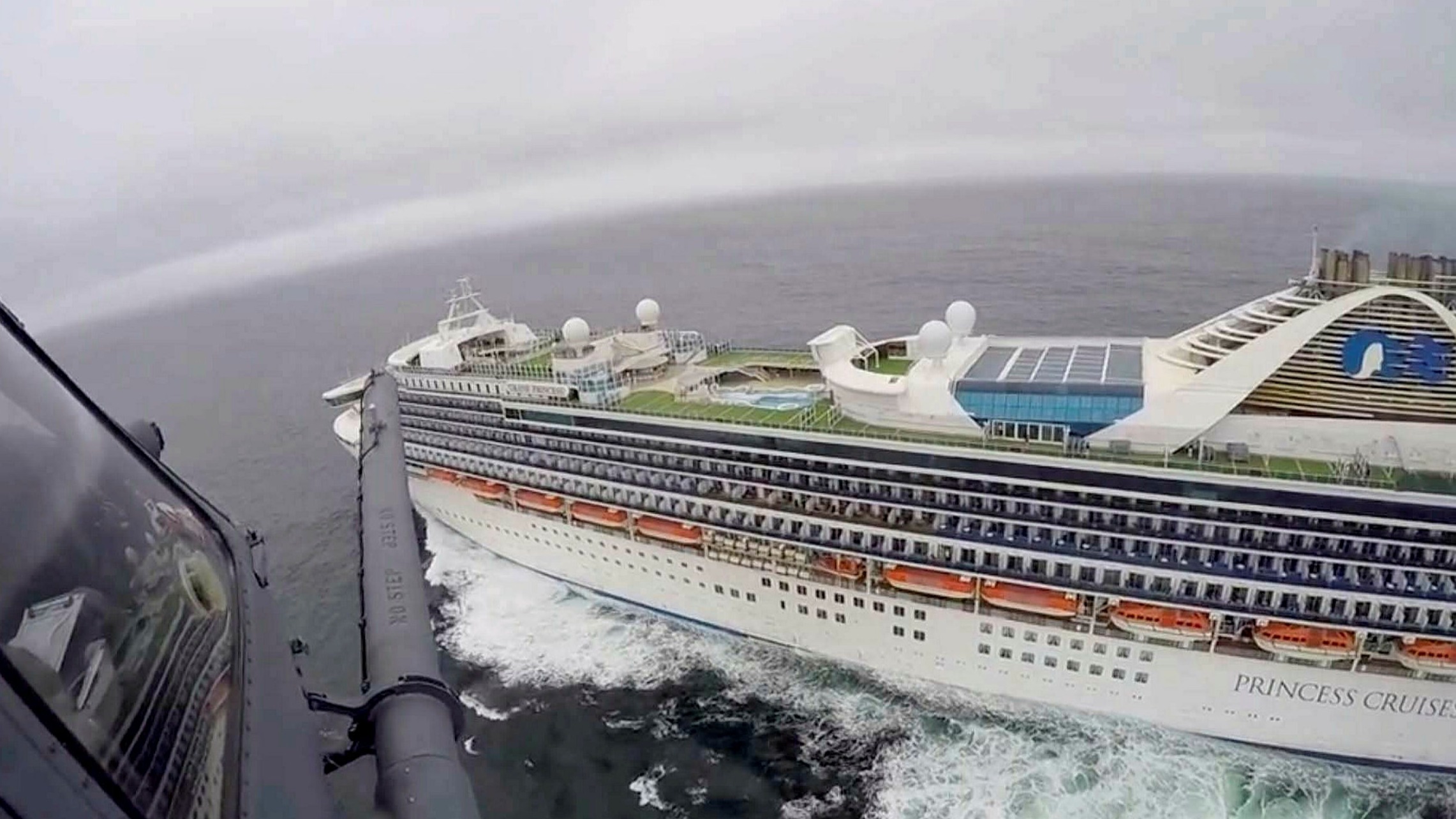
Carnival Chief Discussed Covid Risks Before Allowing 2020 Cruises To Set Sail Financial Times
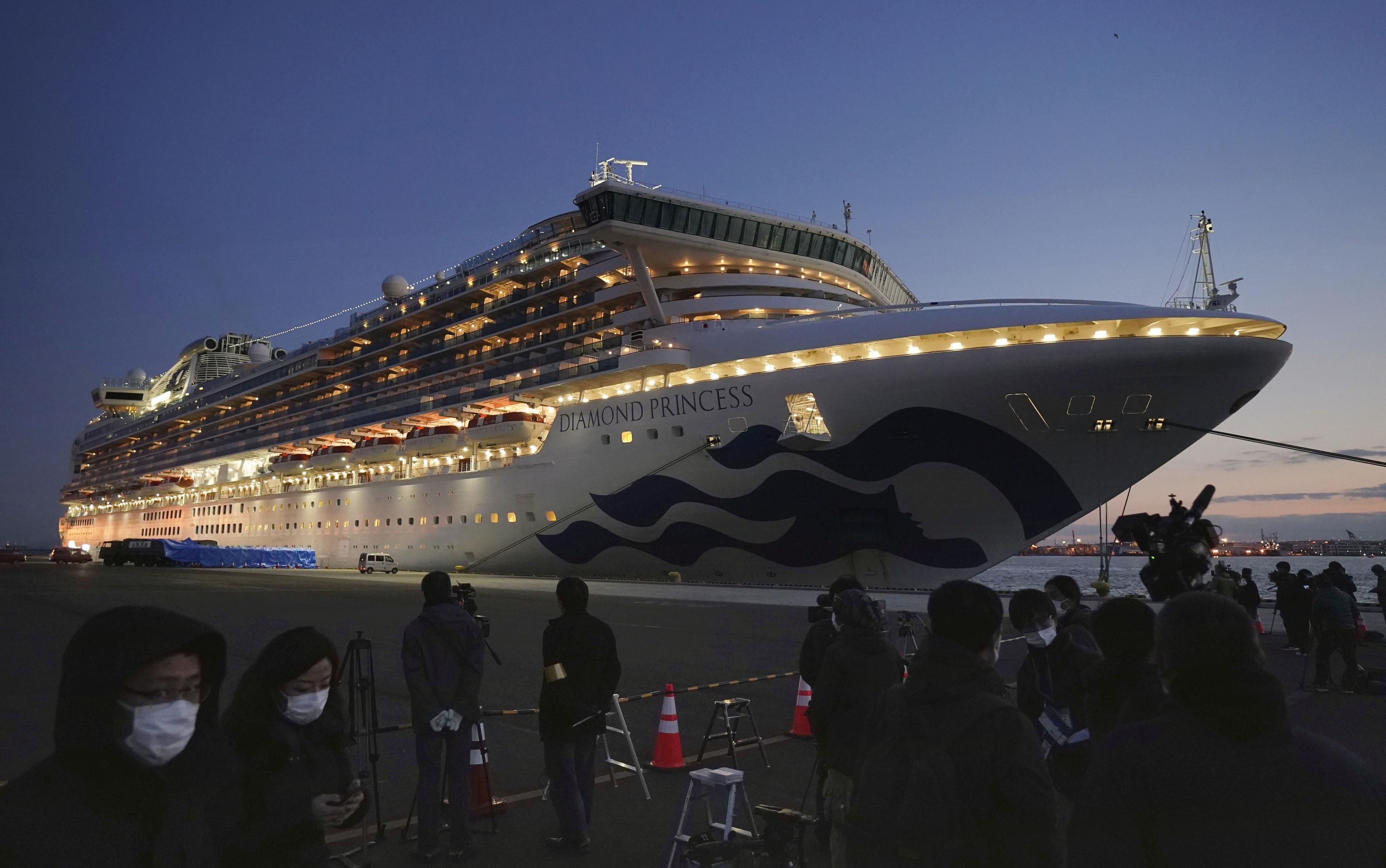
After Thousands Stranded At Sea Coronavirus Set To Hit Cruise Industry South China Morning Post

Old And New Ways Of Coping With Covid 19 Ethics Matters Part I Bill Of Health
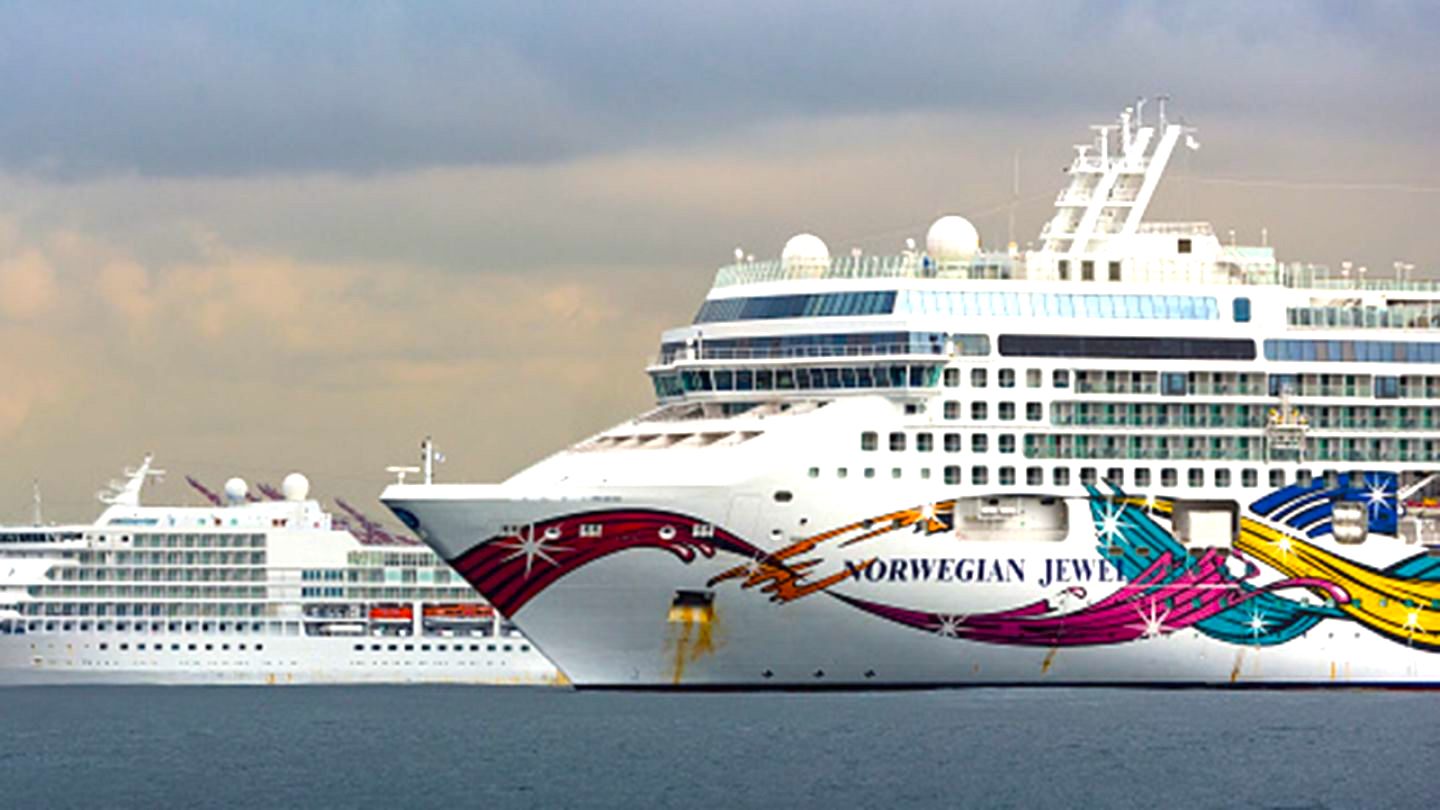
Norwegian Cruise Line Reopening With H13 Hepa Air Filters Said To Remove 99 95 Percent Of Airborne Pathogens Www Themeetingmagazines Com
2

Cruise Ship Air Conditioning Heinen Hopman
2
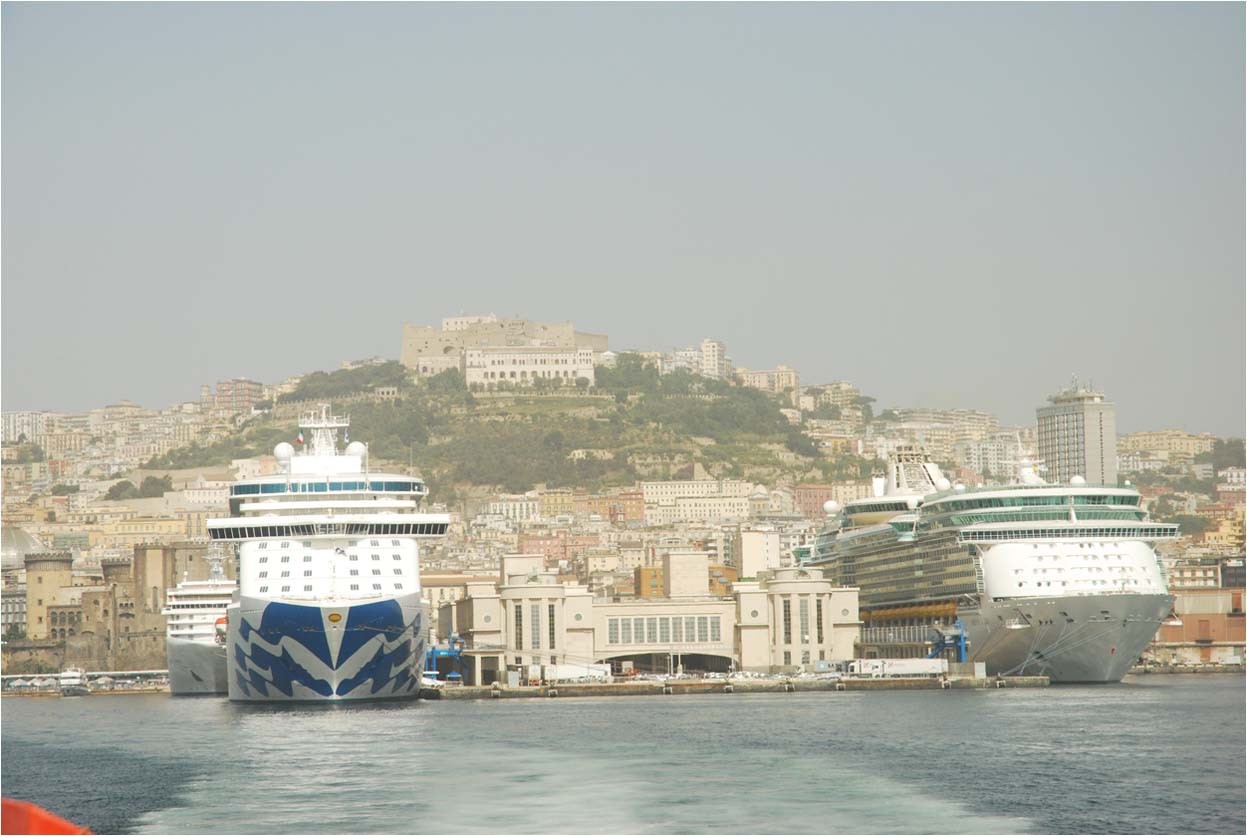
A Methodology For The Design Of An Effective Air Quality Monitoring Network In Port Areas Scientific Reports

How The First Cruise Of The Covid Era Got Ready To Safely Set Sail

Brands During Covid 19 Marketing That Missed The Mark Trajectory
2

New Study Shows Exceptionally Low Risk Of Airborne Particles On Cruise Ships Royal Caribbean Blog

New Expedition Cruise Design Features Disease Control And Fuel Efficiency Shipinsight

