What Is The Jones Act Regarding Cruise Ships

How Does The Jones Act Affect Cruise Ships
/cloudfront-us-east-2.images.arcpublishing.com/reuters/RORJUQJEN5JKRGJO5HQ3VZATRY.jpg)
Exclusive Italy Bans Cruise Liners From Venice After Years Of Hesitation Reuters

Alaska Journal Young Pitches Jones Act Waiver To Aid Cruise Ships

Why Are Cruise Ships Registered In Foreign Countries
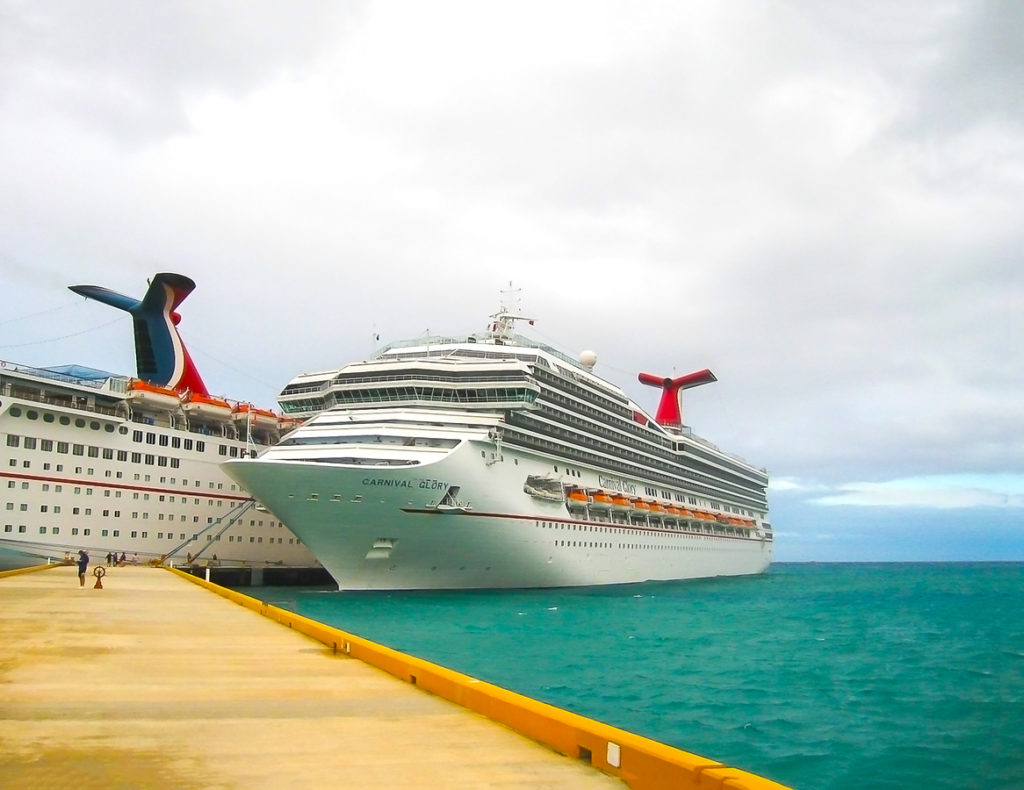
Everything To Know About Carnival Cruise Ship Accidents

Cruise Ship Injuries Maritime Injury Center

The short description says that you cannot transport cargo or passengers between two American ports unless you use ships built in American shipyards flagged as an American ship and crewed by US.
What is the jones act regarding cruise ships. The Jones Act also known as the Passenger Services Act does not allow ships of Non-US registry to embark and debark guests at two different US ports since travel between US ports is prohibited on foreign flagged ships. Points is reserved for US. The Jones Act offers maritime workers the opportunity to file a lawsuit against their employers a legal action that land-based employees usually cant access.
The Jones Act also known as the Passenger Services Act prohibits ships of Non-US registry from embarking and debarking guests at two different US ports. However the Jones Act for cruise ships doesnt cover everyone who works on the boat. Ports to be transported on ships that are built owned and operated by United States citizens or permanent residents.
Young pitches Jones Act waiver to aid cruise ships. It requires that all goods transported by water between US. It supported the American Merchant Marine while also providing additional protections for sailors and ships crew.
Two factors that prevented the cruise lines from sailing to Alaska were the Passenger Vessel Services Act and the Canadian Cruise ship ban Interim Order No. St John are not in the category of US ports under this act. The Jones Act is a federal law that regulates maritime commerce in the United States.
Shipping industry by ensuring that only US. Ports be carried on ships. This law which dates back to 1920 aims to protect national security and the interests of the United States by preventing foreign-built and -flagged vessels from transporting goods between American ports without first calling on at least one foreign port.
The Jones Act requires goods shipped between US. Puerto Rico and the US Virgin Islands St Thomas. The Passenger Vessel Services Act of 1886 is a protectionist piece of United States legislation which came into force in 1886 relating to cabotage.

Carnival Cruise Ships Could Be Blocked From Us Ports Judge Threatens Cnn Business
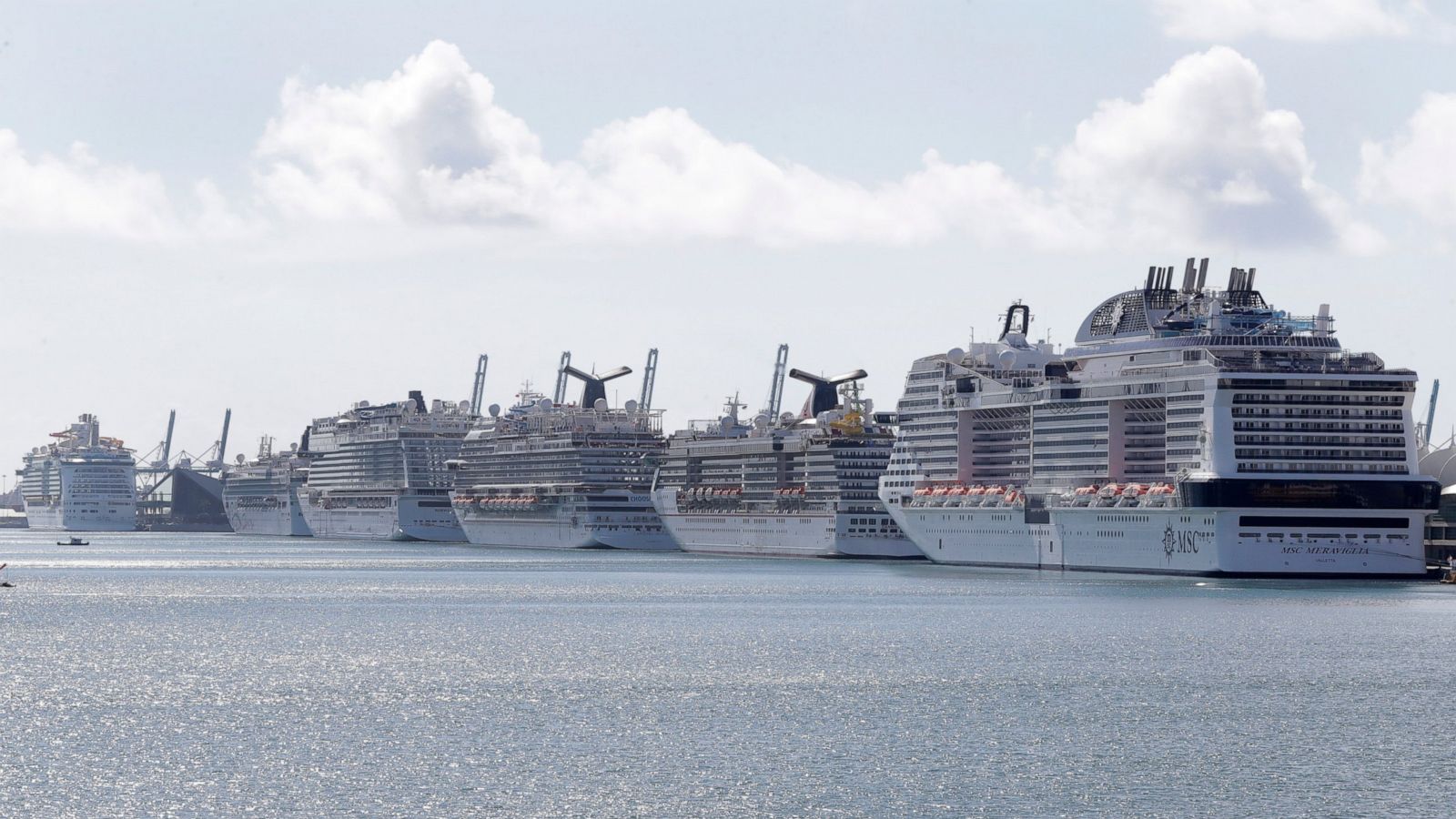
Coast Guard Cruise Ships Must Stay At Sea With Sick Onboard Abc News
Cruise Ship Passengers Will Be Required To Wear Masks New Cdc Order States Pennlive Com

Jones Act And Pvsa What S The Difference And How Do They Affect My Cruise Photo Evannovostro Shutterstock Cruise Cruise Deals River Cruises
How Much Bigger Are Cruise Ships Than The Titanic Quora
2
2
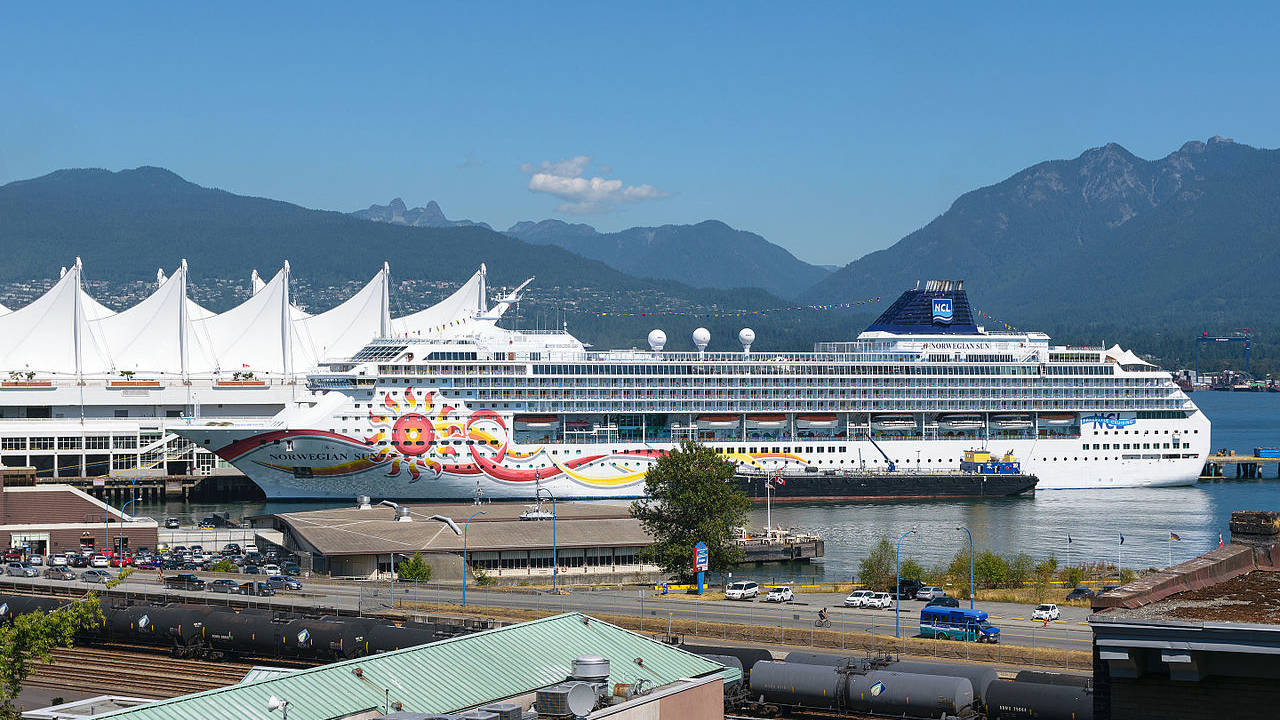
Canada Pledges To Reopen Ports To Cruise Ships Murkowski Floats Maritime Law Reforms

The World S Greenest Cruise Ship Will Have Sails Cnn Business
Report Pollution From The Cruise Ship Industry Is Still Massive Cruise Ship Cruise Pollution
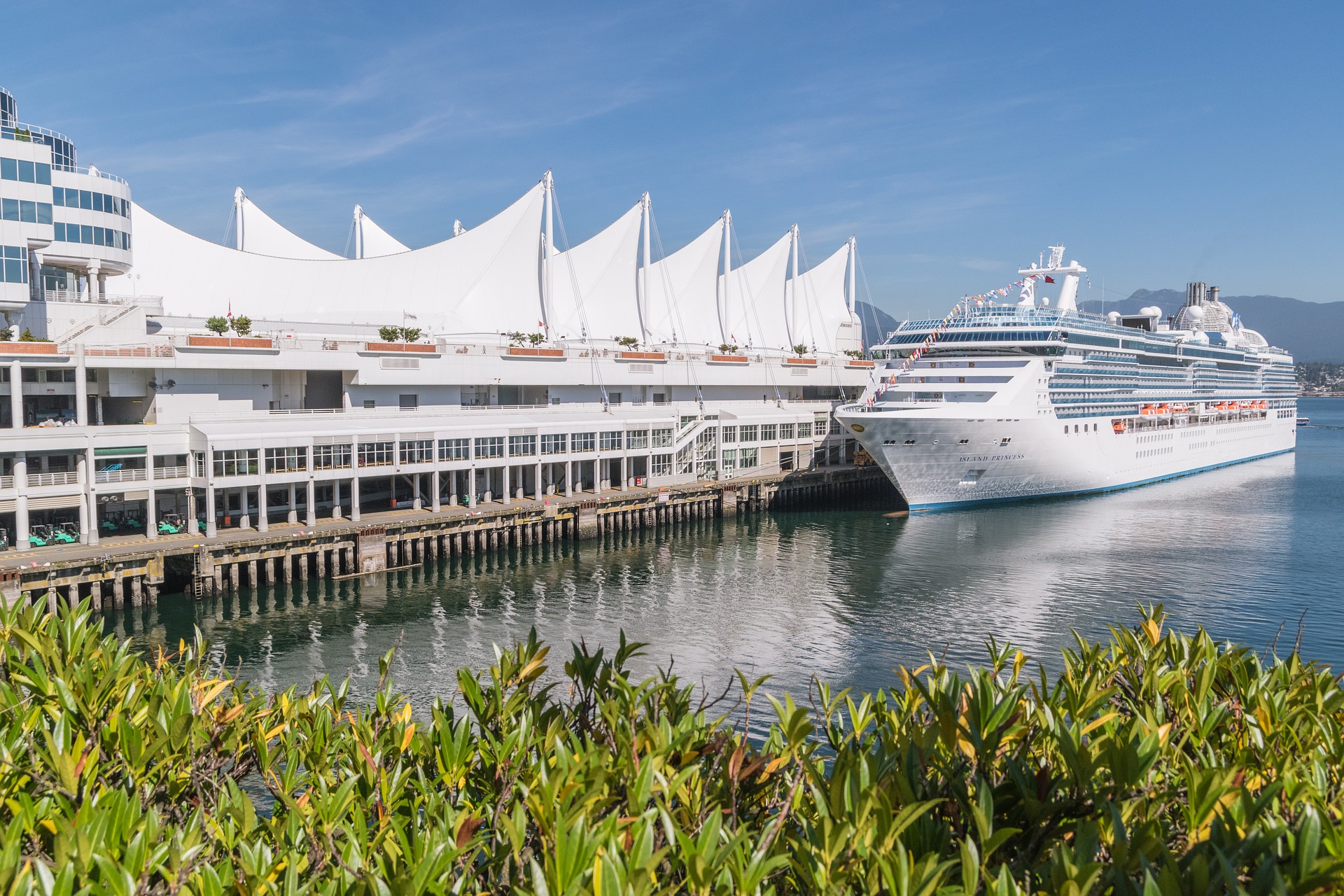
Why Do Cruise Ships Have To Call On Foreign Ports Cruise Blog
What Is The Best Cruise Ship Quora
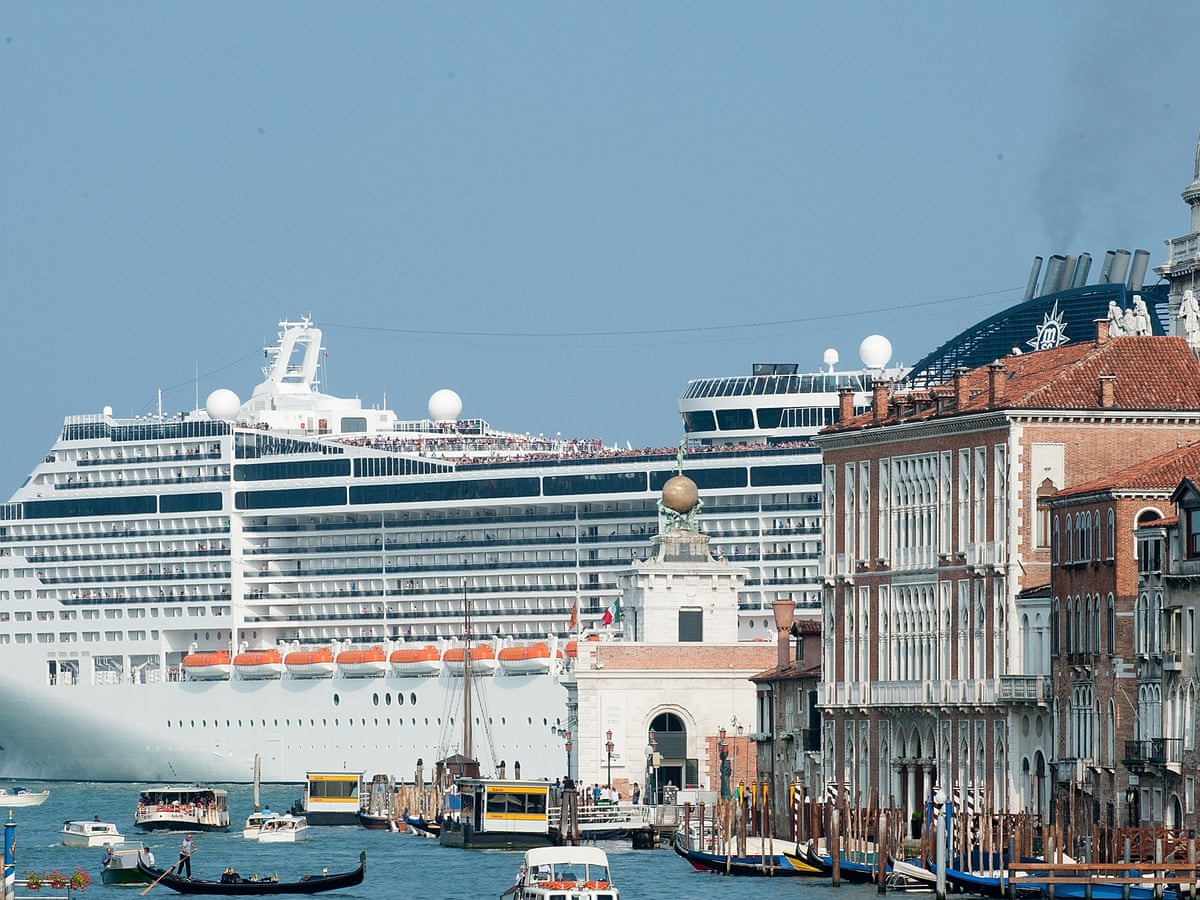
Cruise Ships Showed Contempt For Customers By Breaking Clean Air Pledge Report Says Air Pollution The Guardian

Royal Caribbean Stock Can Gain Nearly 40 Portfolio Manager Barron S

